



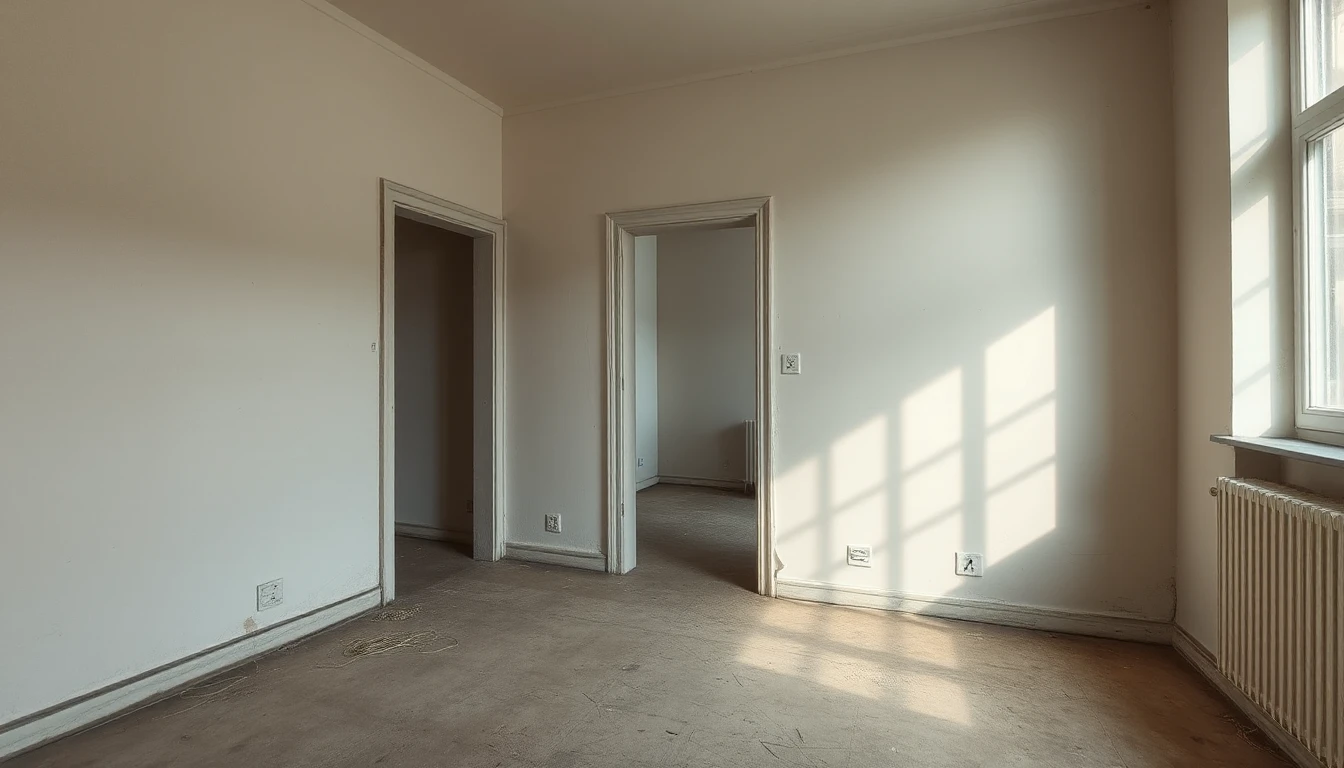
You compare an older drawing with the rooms during the viewing. A wall, a door or a room layout looks different today. From that you cannot automatically derive either a problem or an innocuous alteration. The following editorial guidance shows how you can describe the deviation for your purchase preparation in a comprehensible way.
First determine the item of comparison
Ask which document you have in front of you. Is it labelled as the original plan, a later inventory or merely for orientation? Record the date, any recognisable designation and the reference to the offered unit. If the origin is unclear, that very lack of clarity belongs among your follow-up questions.
Then note the observed deviation without making your own technical diagnosis. “Where the door is drawn on the plan there is a solid wall today” describes something different from “illegally converted”. For the second statement you would need a legal and, if necessary, technical assessment that your walkthrough does not replace.
Place the intended use alongside the deviation
Consider why the question is important to you. Is it about an additional sleeping option, a different routing or the idea of reopening a wall later? The intended use should become apparent before you ask for any documents.
Then ask specifically for information about the current condition and the change in question. The responsible specialist advice can explain which documents are needed for their assessment. This article does not set a nationwide uniform list of evidence; requirements can depend on the specific project and location.
Example: Two drawn rooms appear as one today
A prospective buyer would like to work in a room that was previously depicted separately. On site she sees a larger contiguous room. She records the deviation and asks about the documented current state. She does not already factor in a simple return to the old floor plan.
Only when the appropriate professional classification is available can she assess whether her desired use fits the offer. An old drawing alone is neither a promise of a renewed conversion nor sufficient proof of the current situation.
Do not compress information into an alleged proof
If different parties tell different stories, note their statements separately and with an identifiable reference. A common average of memories does not help here. Ask for the authoritative clarification of the specific deviation.
Also keep the distinction between plan status, visible observation and professional assessment in your own purchase overview. That way you can later trace why a particular follow-up question arose and which answer actually resolved it.
Before making a binding decision discuss material open points with the responsible contractual and specialist advice. The guide does not promise a complete building file review. It prevents the current room being equated unnoticed with a historical drawing or a visible difference leading to a legal conclusion without sufficient basis.