



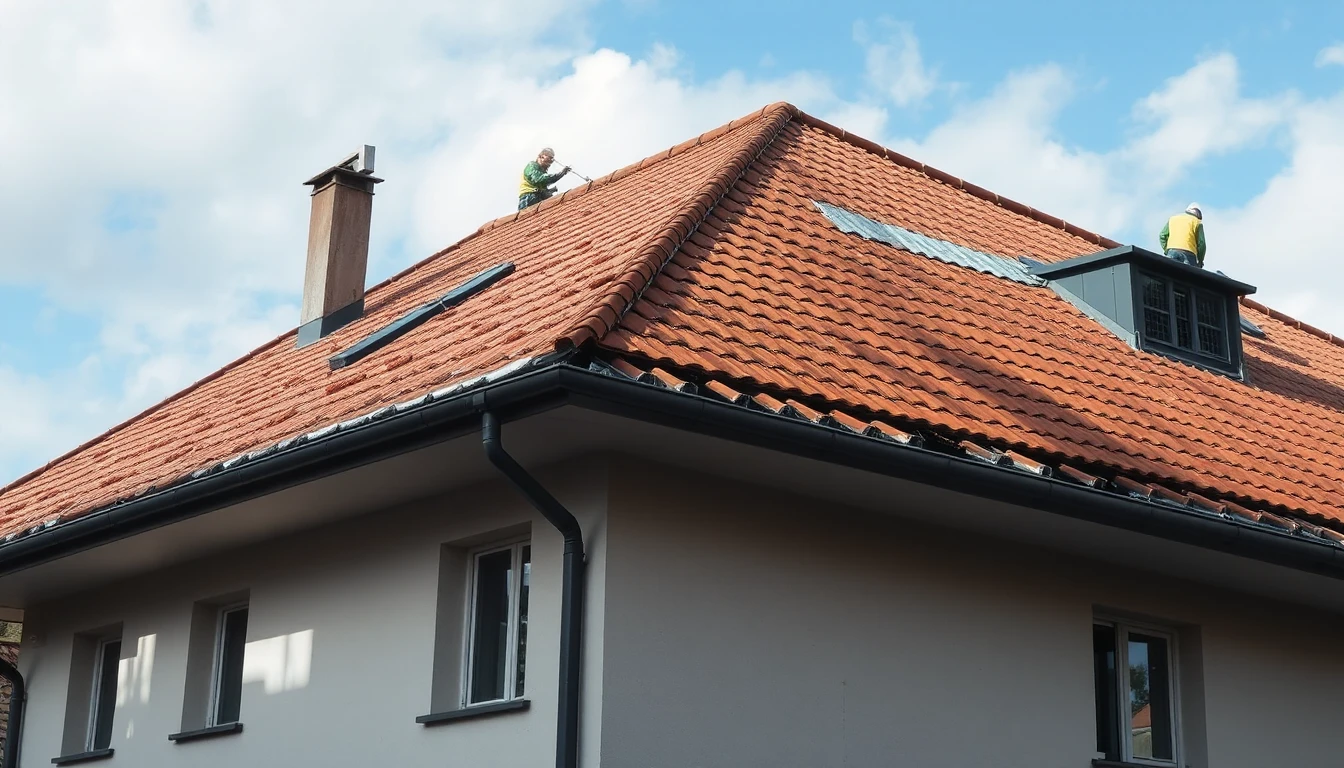
After an accidental building damage, a rented flat is wholly or partially unusable. A payment from an existing insurance policy is being discussed. At the same time you are considering whether the damaged rooms should be restored at all. For Austria this decision requires a separate examination of the restoration obligation. It cannot be derived solely from a provisional treatment of the rent.
Keep the three statutory reference points together
§ 7 paragraph 1 MRG obliges, within the appropriate scope of application, to restore, insofar as benefits from an existing insurance policy are sufficient. The restoration must be legally permissible under building law and technically feasible. The provision covers accidental total and partial unusability. [M7]
Begin therefore with three separate factual situations: the rented object concerned and the damage, the scope of restoration that is permissible or technically possible, and the relevant insurance benefits for this. None of these individual factual situations replaces the others. For example, an insured sum is not yet confirmation under building law.
Present the correct tenancy law framework
§ 1 MRG contains exceptions and partial cases of application. Whether § 7 applies to the specific property must be established on the basis of the actually decisive documents. [M1] A contract title or the mere recollection of the building's age is not sufficient as a verified classification for this article.
The question whether an unusability within the meaning of the provision exists and can be assigned to the aforementioned accidental case also remains to be professionally clarified. The procedure does not contain its own hazard assessment. Blocked or unsafe areas are not entered for private photographic documentation.
Link the insurance documents to the scope of work
As an editorial recommendation, file the existing policy, claim notification, expert report, commitment to pay and cost documents together. Mark what has merely been reported, is still under review or has already been confirmed as binding. Ask specifically which works a named payment relates to and which details are still missing.
In addition, suitable professional planning describes which restoration would be technically possible and legally permissible. Desired additional fittings are recognisable as optional extras. A new desired solution should not be uncritically confused with the scope that concerns the restoration of the rented object.
A single case with two open questions
Fictitiously several rooms are affected. The insurer has so far only confirmed a defined part of the works. For another part a finding and a building-law opinion are still missing. The landlord therefore does not regard the confirmed part as the complete completion of the entire process. She has clarified which restoration obligation follows from it and which additional documents are required for the remaining rooms.
She does not claim that every repair is indefinitely covered by the insurance, nor that the unresolved part automatically removes all obligations. Precisely the limits of a commitment remain visible in the process.
Clarify the scope before promising appointments
§ 7 paragraph 2 refers for enforcement to § 6 and names, among others, the affected tenants as applicants entitled to apply. A statutory restoration question should therefore not be treated as an arbitrary voluntary comfort decision. The article does not contain procedural or application templates. [M7]
The usable result is a coordinated review file: applicable legal framework, established damage, possible scope of restoration, allocated insurance benefits and open steps. Rent, alternative accommodation and further claims are dealt with separately. Only on such a basis can reliable works and feedback on the restoration be prepared.