



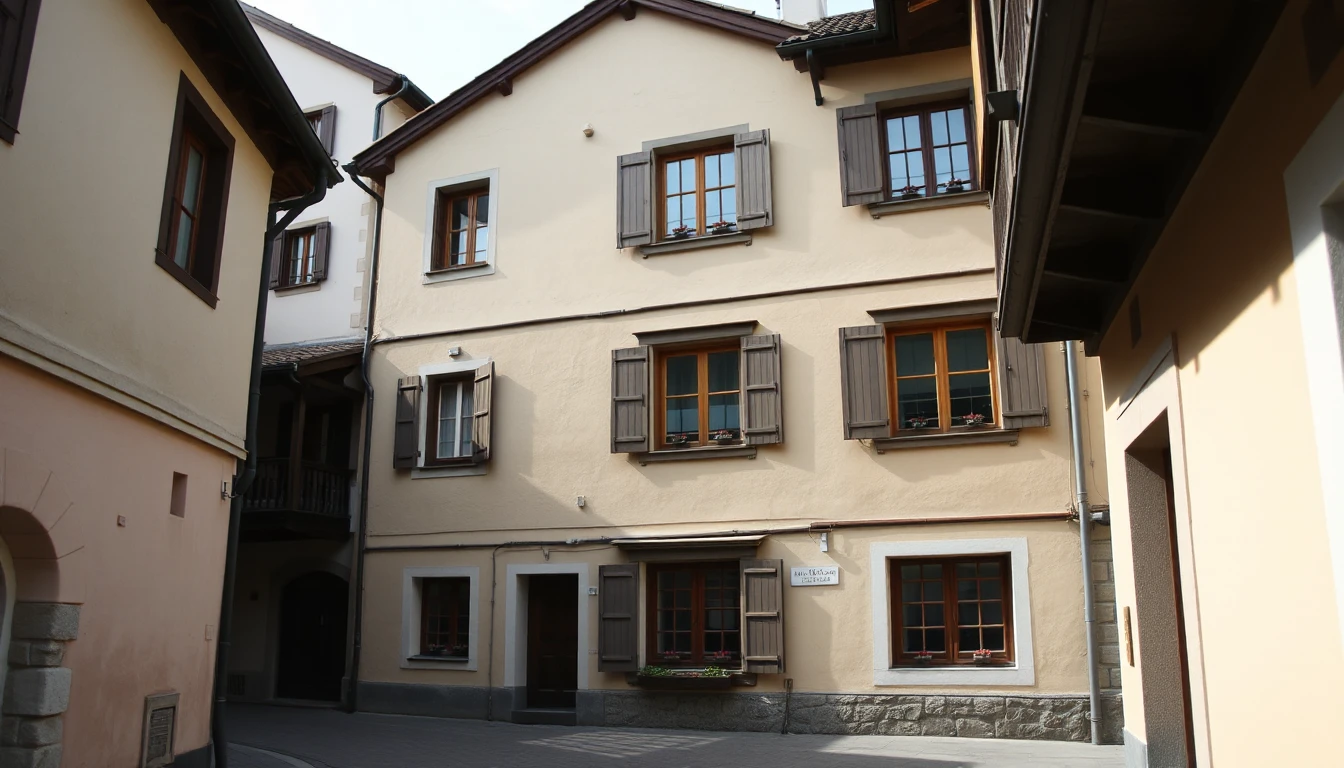
The offered floor looks like an ordinary condominium. However, in conversation the term “Stockwerkseigentum” appears, and the documents on hand are unusually old. The designation must neither be hastily treated as a mere synonym for apartment ownership (Wohnungseigentum) nor be understood as proof of an impermissible construction. First the actually existing legal position must be identified.
Why the historical term can be relevant
The OGH precedent RS0075739 treats Stockwerkseigentum as segregated ownership. The dictum cited there, BeisatzT1, distinguishes between the re-establishment that has been impermissible since the law RGBl.1879/50 and legal relationships established earlier that have remained in force. [STOCKWERK]
This historical distinction does not yet decide whether the specific offer actually concerns such an old instance. The age of the building, separate doors and a family narrative are not sufficient for this classification. Specialist advice needs the register situation, the relevant deeds and, if necessary, further historical evidence.
Do not infer a current contract type from the visible apartment
Our editorial recommendation: First ask the contract adviser for a comprehensible description of the existing right in rem. What exactly is to be transferred? Which rooms and parts of the building are allocated? Which document records this allocation?
Only afterwards should the further purchase review be built on that. A document list normally used for ordinary condominium ownership must not be accepted unexamined as complete proof for this special case. Nor does a historical term substitute for the technical inspection of the actually existing rooms.
Record the practical dependencies of the house
Note the parts that are jointly or mutually required: access, roof, pipes or other installations. Which rights and obligations regarding these exist in the concrete old arrangement must be clarified on the basis of the legal situation and the documents. The article does not transfer any general cost share or any particular present-day management model to the offer.
In particular, have explained how necessary works on such parts are to be decided and financed. A previously informal approach within a family does not automatically answer the question of the position you, as an outside buyer, will obtain. For your decision both the existing regulation and the practically necessary coordination are relevant.
Fictional case: The roof refurbishment is taken for granted
A buyer sees the upper floor as his future home. He assumes that there will be an ordinary management and cost mechanism for the shared roof, as in a condominium he knows. This assumption is not yet explained in the documents submitted.
He therefore first has the legal form, allocation and regulation for the roof classified. His bank then receives the information required for the specific acquisition position. The example does not establish any specific cost-bearing or financing outcome. It merely prevents a familiar everyday image from replacing an unexamined legal assumption.
A purchase basis in contemporary language is needed
In the end the offered position should be describable clearly without historical buzzwords. This includes scope of acquisition, important dependencies and unresolved points. The old legal history is useful to you when its concrete significance for the present offer is explained. On that basis you can decide whether this form of acquisition fits your housing and investment plans.