



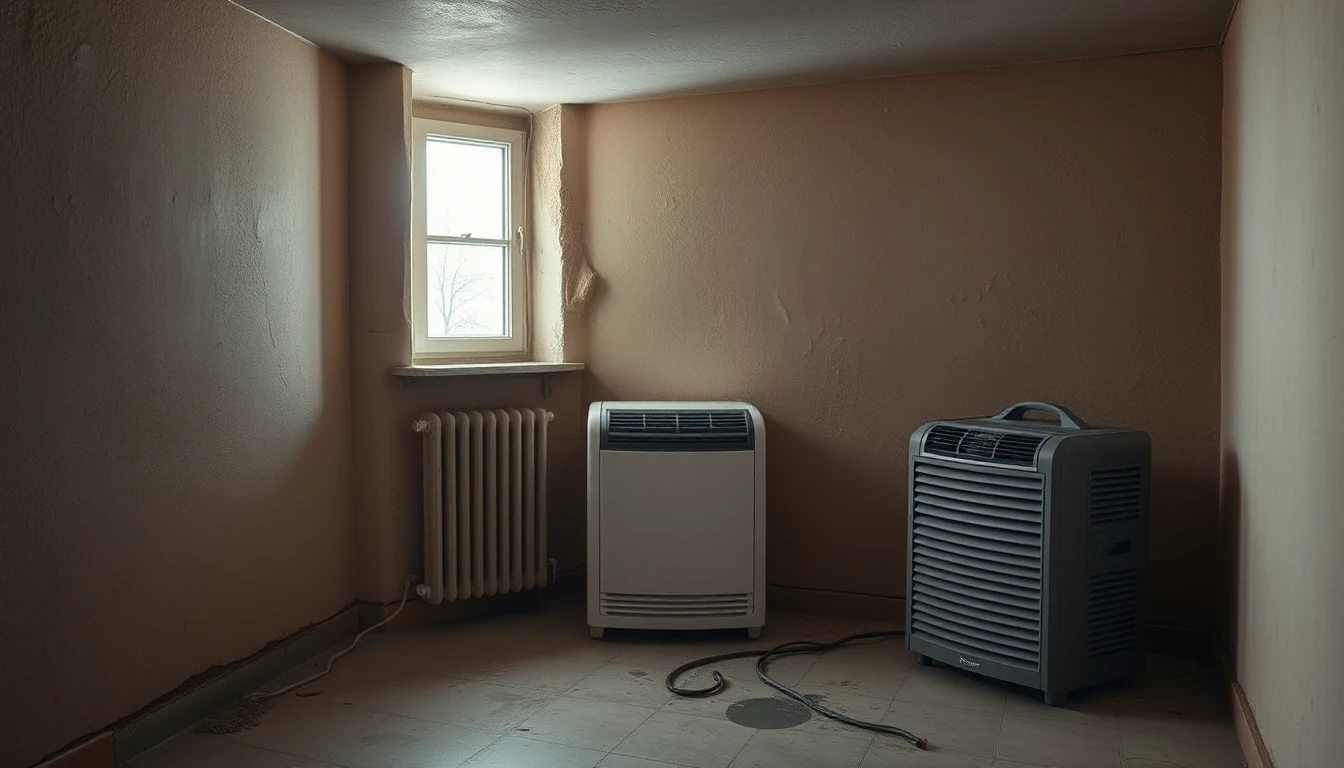
The old floor plan states a different area than the most recent exposé. In the attic there is a developed room, but no readily findable documentation for it. A former moisture spot has been painted over; the invoice for the work done at the time is missing. Such situations are not resolved by adopting the most attractive description into the new listing.
First separate facts, documents and recollections
Create a short note for each unclear detail. It should list the differing pieces of information, their source and the date of the document. “The previous owner said” is a different basis than a verifiable plan or a professional report. An official document can also refer to a different condition or a different question.
Our editorial recommendation: use three internal statuses: substantiated, contradictory and still unresolved. This is not a legal classification but a working aid. An item should only be considered settled once the specific question has been answered. The mere fact that someone has sent another file is not yet sufficient for that.
Area statements need a comprehensible basis
When areas differ you should clarify which parts were included at all and on what calculation basis the figure is founded. A simple addition of visible floor areas does not answer every question about living area or usable area. Have significant uncertainties examined by a suitably qualified authority.
Example, editorially invented: an exposé states 112 square metres, an older calculation 96 square metres. Comparing them shows that a roof area was additionally included. That initially only identifies the origin of the difference. Whether and how this area may be taken into account for the offered purpose must be examined separately. Averaging the two numbers would not be a reliable solution.
A conversion raises several points to check
Distingish what was actually constructed, which documents are available and which use is to be offered. a tradesman’s invoice may evidence work carried out, but not automatically the required public-law permissibility. Ask the competent authority about existing building documents and clarify who will technically interpret their statements for the specific sale.
Avoid legal labels based solely on recollection. “Always used like this” is not a blanket confirmation of every entitlement to use. At the same time, do not hastily allege an unlawful construction from a missing file. The aim is a precise mandate for examination with a transparently stated result.
Do not reduce defects to a reassuring presumption
For a former moisture spot distinguish place, period, known cause, measures carried out and recurring observations. Gather any invoices and reports that exist. If you do not know the cause for certain, do not formulate a definitive technical diagnosis. Even a currently dry coat of paint alone does not prove that a former cause has been permanently eliminated.
§ 444 BGB limits reliance on an agreed exclusion of liability particularly in cases of fraudulent concealment of a defect or an assumed guarantee of quality. [DE-BGB] What disclosure and contractual arrangement are required in the individual case should be advised on by a qualified professional. A general phrase such as “purchased as seen” does not resolve every question of information or liability.
All parties must work from the same state of knowledge
If you engage an estate agency, provide relevant documents and known open questions. Correct incorrect information in all versions used, not only in the latest PDF. Maintain a dated master version and note who has received the update. Otherwise a point already corrected may be explained incorrectly again at the next viewing.
Editorial practical tip: after a technical clarification assign three outcomes: which statement may be used, which evidence belongs with it and which limitation must remain understandable. This prevents a cautious expert opinion from later being reformulated into an unqualified advertising promise.
Preparation is not finished before the notary appointment
Transmit open or newly discovered points in good time to the body responsible for drafting the contract. Filing something in the data room does not automatically prove that every relevant piece of information was communicated in the legally required manner. Have important requirements explained to you concretely.
This process is not a call to abort the sale at every uncertainty. It helps to make reliable statements and recognisable limits out of contradictory documents. Where these limits are material to the purchase decision or the contractual content, professional clarification and comprehensible communication are part of proper preparation.