



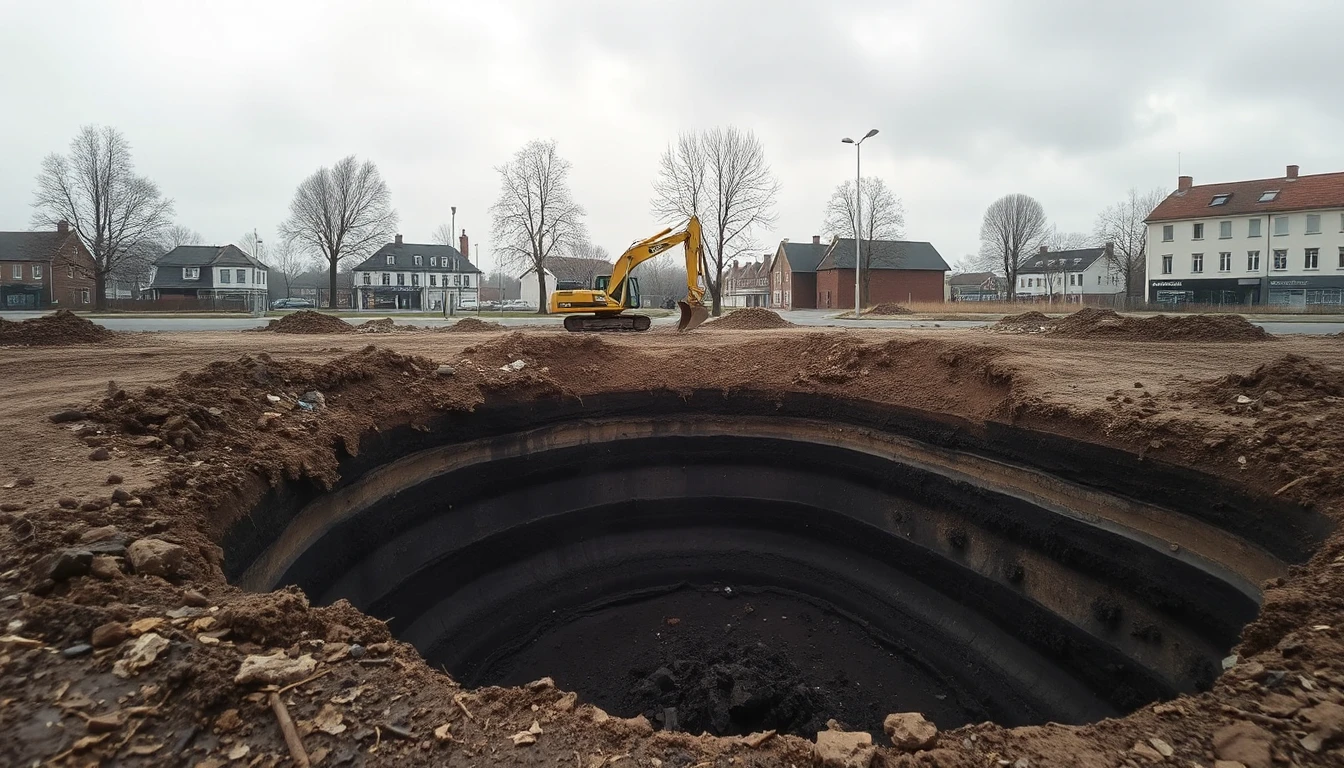
When selling a German plot of land a possible soil contamination has become known. In the contract the buyer is to assume certain costs. For you as the seller this raises a second question: Is any possible liability towards an authority also ended by the transfer? A private purchase agreement and public-law obligations answer different questions.
Distinguish known facts from mere suspicion
Our editorial recommendation: Compile existing expert reports, notices, actual usage information and ongoing investigations in chronological order. An unconfirmed suspicion must not be described as an established remediation obligation. Conversely, an existing official procedure is not removed from the file by the new owner entry.
An investigation and the assessment of its consequences require specialists. This article does not contain instructions on soil treatment, sampling or disposal and no blanket remediation cost figures.
Why the former owner role can remain relevant
§ 4 BBodSchG governs several liabilities for hazard prevention and remediation. Paragraph 6, under its conditions, also includes a former owner: transfer of ownership after 1 March 1999 and knowledge or ought-to-have-known of the harmful soil alteration or contaminated site (Altlast). The provision also contains an exception concerning the protected trust at the time of that acquisition. [BBODSCHG-4]
This is not a statement that every former owner must always pay. Which prerequisites are met and how the authority may proceed in the specific case requires legal and technical examination. A possible liability arising from other roles named in § 4 is also not conclusively assessed by this article.
An invented sale of a former workshop area
An owner received an older investigation report during the sales due diligence. The buyer still wants to purchase the area and organise their own measures. Both discuss a private cost allocation.
The seller discloses the report, previous proceedings and the planned arrangement to her adviser. She has separately examined which public-law questions may remain open for her. She does not consider the internal assumption of costs as already having been granted a discharge from all liability by the authority.
Treat the contract as a separate subject of review
What effect a specific internal agreement between contracting parties has is not assessed in this contribution. It does not provide a release clause and does not promise later cost reimbursement. It must be professionally clarified which arrangement fits the known facts and possible later proceedings.
Therefore separate a confirmed official decision from a contractual promise and from an as-yet open hope. This method of ordering makes it clear on what basis a question is considered resolved.
Keep documents available after handover
Agree with your adviser which property-related proceedings should be kept in a traceable manner. The article does not specify a blanket retention period. If an official enquiry arises later, it should be possible to deal with it on the basis of the actual file. A completed purchase price procedure alone is not proof that every soil matter is also closed.