



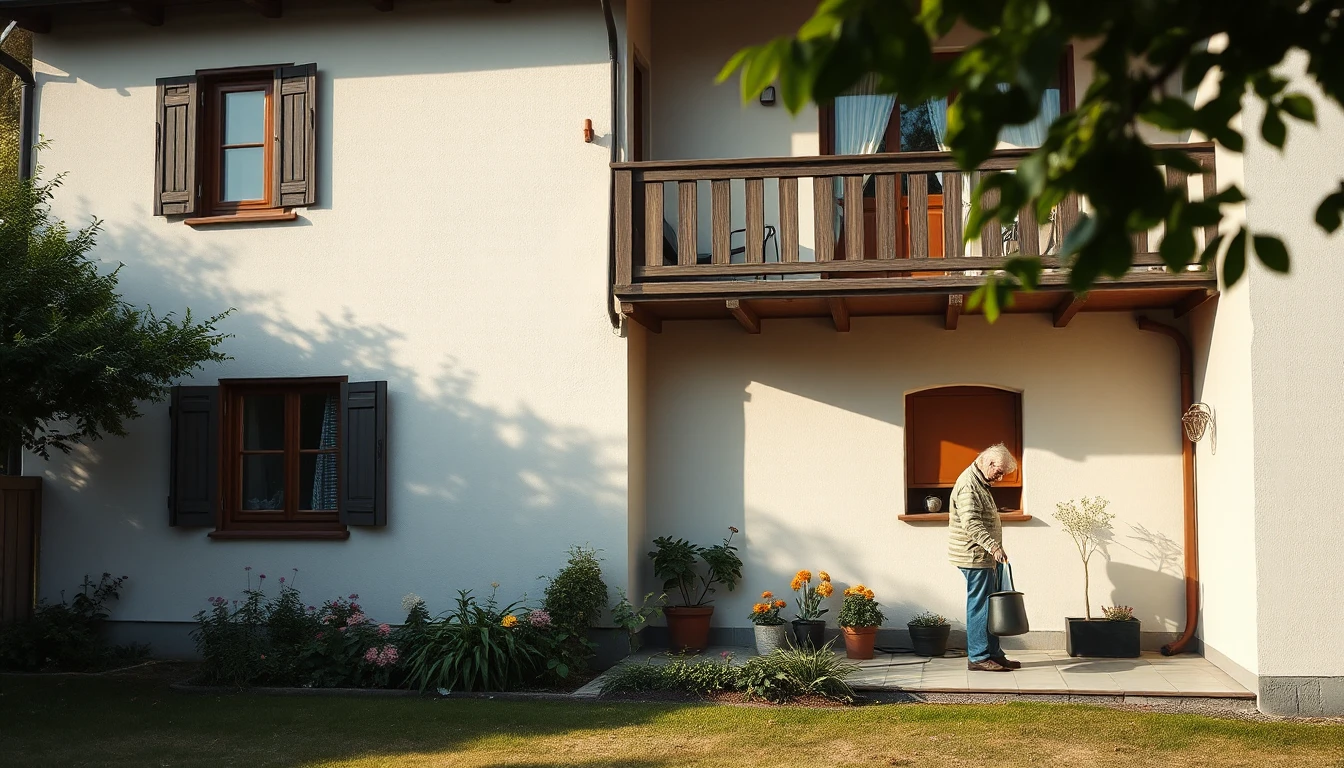
The apartment belongs to you, but a relative holds an existing right of habitation. You now want to sell. Perhaps the entitled person will move soon; perhaps the right should remain unchanged. For the preparation you therefore first need a clear offered condition. A mere wish to move out does not replace this clarification.
Do not start with the price question
Our editorial recommendation: Record the rooms and uses actually affected. Which apartment, accesses, ancillary rooms and commonly used areas does the existing agreement name? Who actually uses what? Lay the deed, any existing addenda and the current land register entry alongside. Actual use and the legal scope can raise different questions.
§ 521 ABGB distinguishes the use of the apartment from a more extensive usufruct (Fruchtnießung) of the residential building. [ABGB-521] The term “Wohnrecht” in a family conversation is therefore not sufficient to determine all powers and consequences of the specific right. Have the actual deed assessed professionally.
Keep two sales objectives clearly separate
One possible route is the sale with the professionally described continuing right. Then prospective buyers need understandable information about the scope actually being offered and the relevant conditions of use. This article does not assess the economic discount nor the financing possibilities.
The other desire is a sale after a change or termination of the right. For that it must be clarified whether the entitled person even wants this route and what legal implementation would be required. Any agreed counter-performance, its timing and the securing of the person involved belong in individual advice.
Do not describe the second route as already completed while its prerequisites are still open. Especially with a planned care or housing change, the sales process should not presuppose a personal housing solution that is not yet secured.
A case with two open conditions
In the hypothetical case an owner wants to sell the apartment after his aunt moves. The aunt has viewed another accommodation but does not yet have a confirmed opportunity to move in. At the same time it is unclear how her existing right should be treated in the sale.
The owner therefore has two separate open points: the actually viable housing alternative and the legal alteration of the right. Only when the appropriate answers are available can the advisor dealing with the sale design a suitable process. A box in the hallway does not resolve either of these points.
Coordinate feedback with the entitled person
Decide who consolidates factual questions and how conversations are organised. Avoid different prospective buyers independently putting pressure on the person living there. A viewing requires a coordinated practical framework; this article does not determine any statutory rights of access for that.
Separate the appraisal of the property from private assumptions about health, life expectancy or future need for assistance. For a price comparison the assessed rights and conditions should be known. A self-chosen figure without this foundation is more likely to create new uncertainty.
In the end you need a clear description of what is to be offered and a professionally clarified route to that condition. That distinguishes the case from reserving one’s own right of habitation when selling for the first time: here there already exists a third-party legal position that remains the starting point of the entire preparation.