



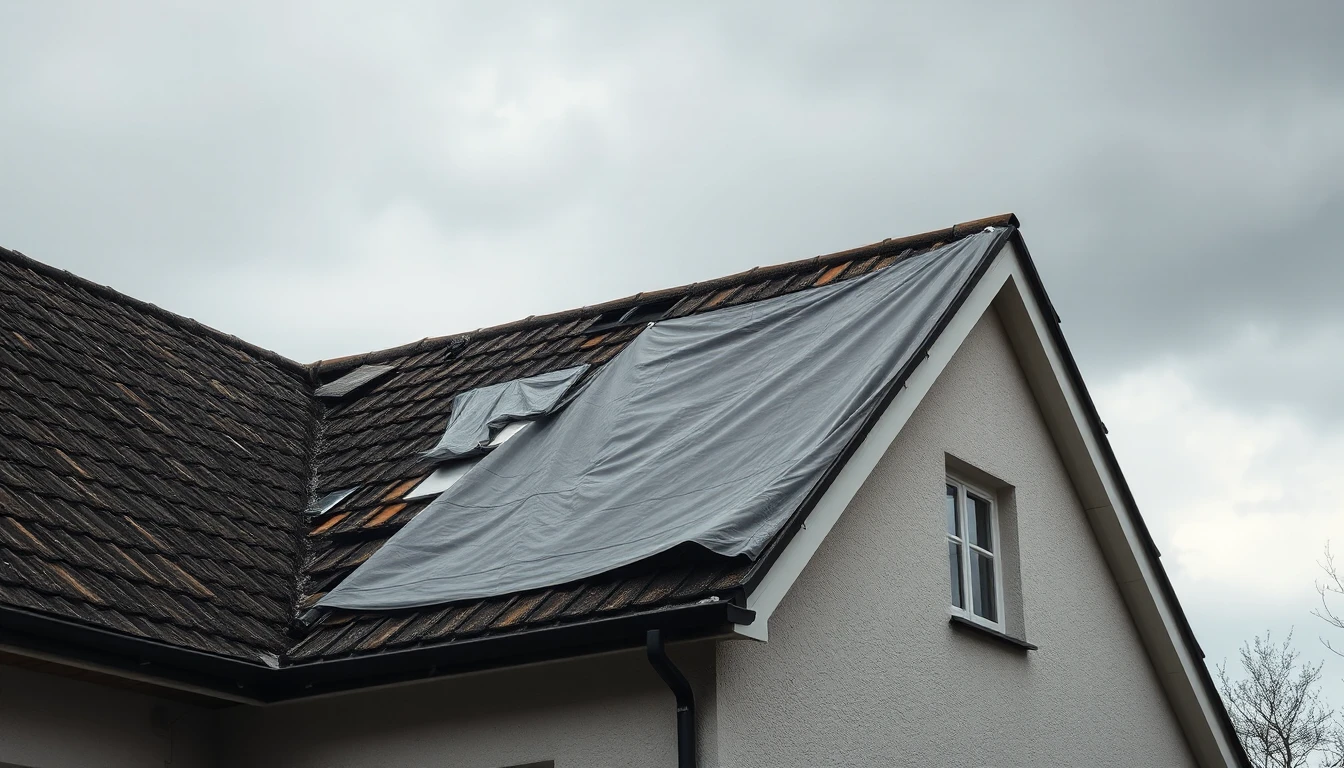
You have been awarded the successful bid for a house. While access is still being organised, you learn of a water leak or another newly reported incident. You must not assume that the building concerns you only from the handover of the keys, nor derive liability or a secure insurance payment from a brief message.
First establish the chronology of events
Our editorial recommendation: separate the known condition before the appointment, the successful bid and the newly reported incident. Who observed what and when? What is proven by documents, what comes from an unconfirmed communication? An earlier expert report note and a later water leak can be different events.
Request the available factual evidence and a specifically named contact person. If there is an immediate danger, the necessary assistance will be organised via appropriate emergency or specialist services. This article does not instruct you to enter locked or occupied rooms by yourself, to open installations yourself or to attempt an unclear repair with certainty.
Classify the bid status legally
Under §90 ZVG the purchaser becomes owner by the award of the bid, subject to the legally effective annulment on appeal as set out there. [ZUSCHLAG] §56 assigns the risk of accidental loss with respect to the property to the purchaser by the award; it also regulates uses, encumbrances and the lack of a warranty claim. [GEFAHR]
For this statutory starting point, therefore, the later receipt of the keys is not the sole decisive moment. Have the concrete sequence and the significance of the reported event assessed promptly. The exclusion of warranty does not automatically determine every conceivable liability for a later incident. Likewise, a damage notification does not establish a right confirmed by this article to unilaterally reduce the cash offer.
Provide the existing insurance file
§99 VVG provides for the corresponding application of §§95–98 in the case of transfer of ownership by forced sale. [VERSICHERUNG] §95 deals with entry into insurance rights and obligations during the period of ownership, §97 with the notification and its consequences for benefits and exceptions. [VERTRAG] [ANZEIGE]
Therefore determine which existing contract for the affected building actually exists. Collect the policy, conditions, endorsements, known payment status and available previous claims information. Clarify with the responsible specialist office how transfer of ownership and the new incident are to be notified and which proofs are still missing. An existing building insurance does not confirm that this particular incident is covered in full.
Hypothetical case: the outstanding eviction conceals a new event
A purchaser waits for the lawfully organised access after the award of the bid. He hears that water has recently leaked in an adjacent room. Initially he attributes the message only to the still incomplete access and wants to wait until the handover.
Instead he now records the bid status, the notification and the as yet unconfirmed time of the event. He has the responsible contact channels, necessary claims handling and the insurance status clarified. The arrangement of access continues as a separate task. The example does not establish any particular cause of the damage nor any party liable to pay.
Handle the two open matters separately to conclusion
Access to the building and the handling of the claim can have different prerequisites and parties involved. Ask in each case for the next concrete step: who may arrange access, who inspects the damage and who receives which notification? A general statement that the matter is with the court does not yet answer these individual questions.
Document the inspection, authorised measures and, where applicable, the actual insurance decision. Replan your own move-in based on the confirmed condition. Any still open assumption of costs is to be treated as unresolved. This article deals only with the newly reported damage between award of the bid and handover; bid financing, delivery after award and an ordinary change of building insurer are separate topics.